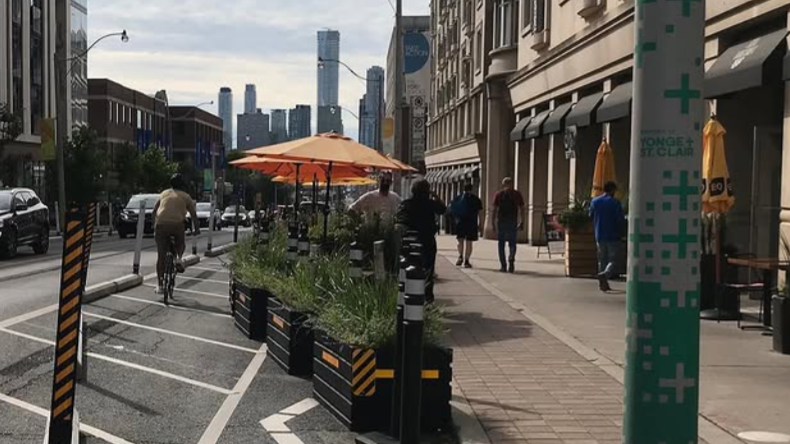
Can Toronto become a Cycling City?
Toronto’s population is rapidly expanding, our streets are clogged, and travelling across our city is difficult. We were able to solve these problems in the 20th century by demolishing neighbourhoods and the existing streetcar network to make room for wider car-dominated roads, new “superhighways”, as well as making investments in underground subways. In the 21st century, the car-oriented solutions we previously implemented are politically untenable and deeply unpopular.
Continue reading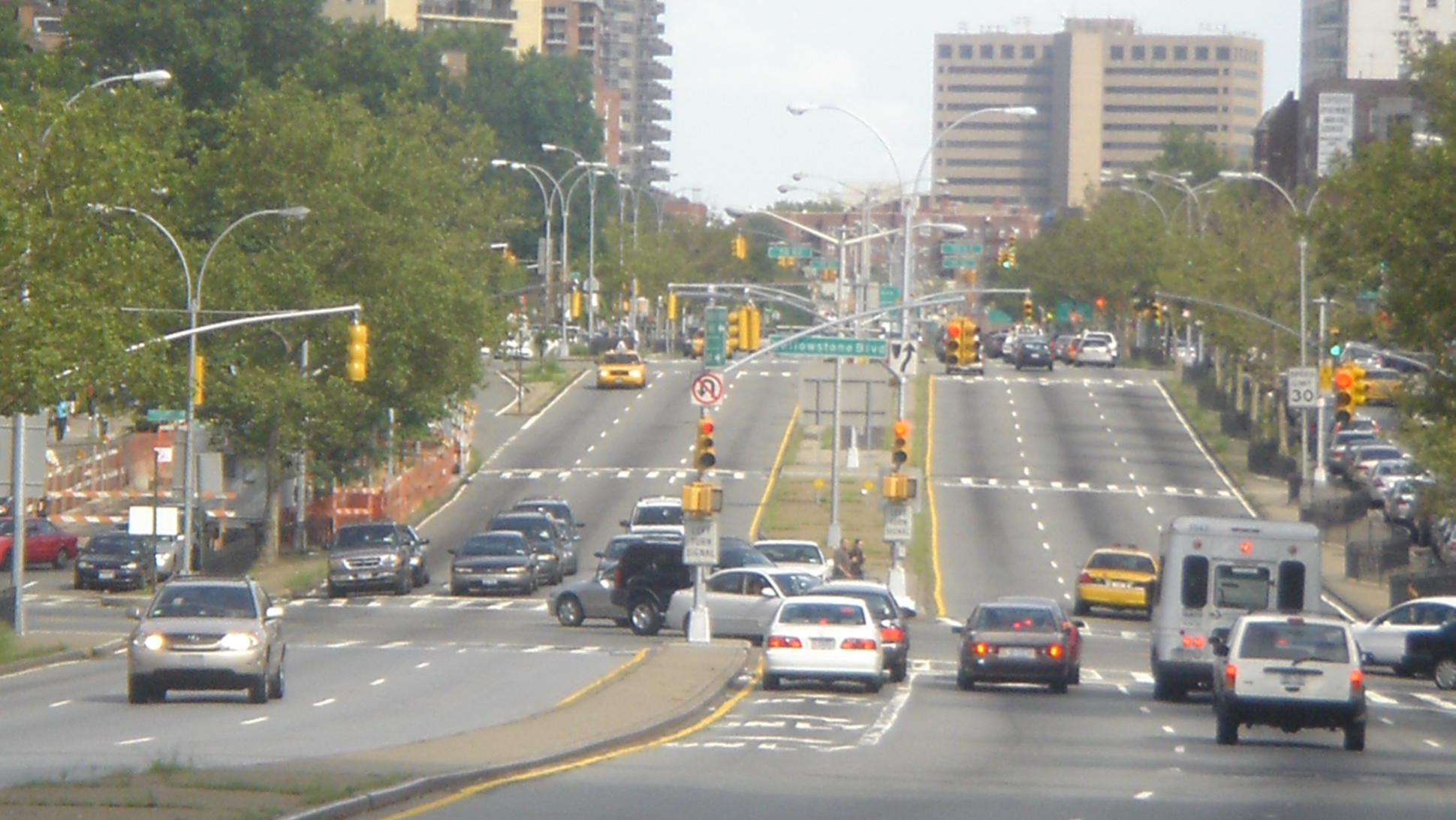
The Future of Toronto’s Stroads: Uncertainty on Dundas
The stroad, a theoretically flexible surface transportation solution that fails to deliver on its many promises, has become one of the hallmarks of 20th century suburban planning in North America. Designed to facilitate speedy travel and host numerous destinations, it is both a conduit and a locale, a jack of all trades that masters none. Generally defined as major and minor arterials in Toronto’s Road Classification System, anyone who spends time in Toronto will wind up encountering them.
Continue reading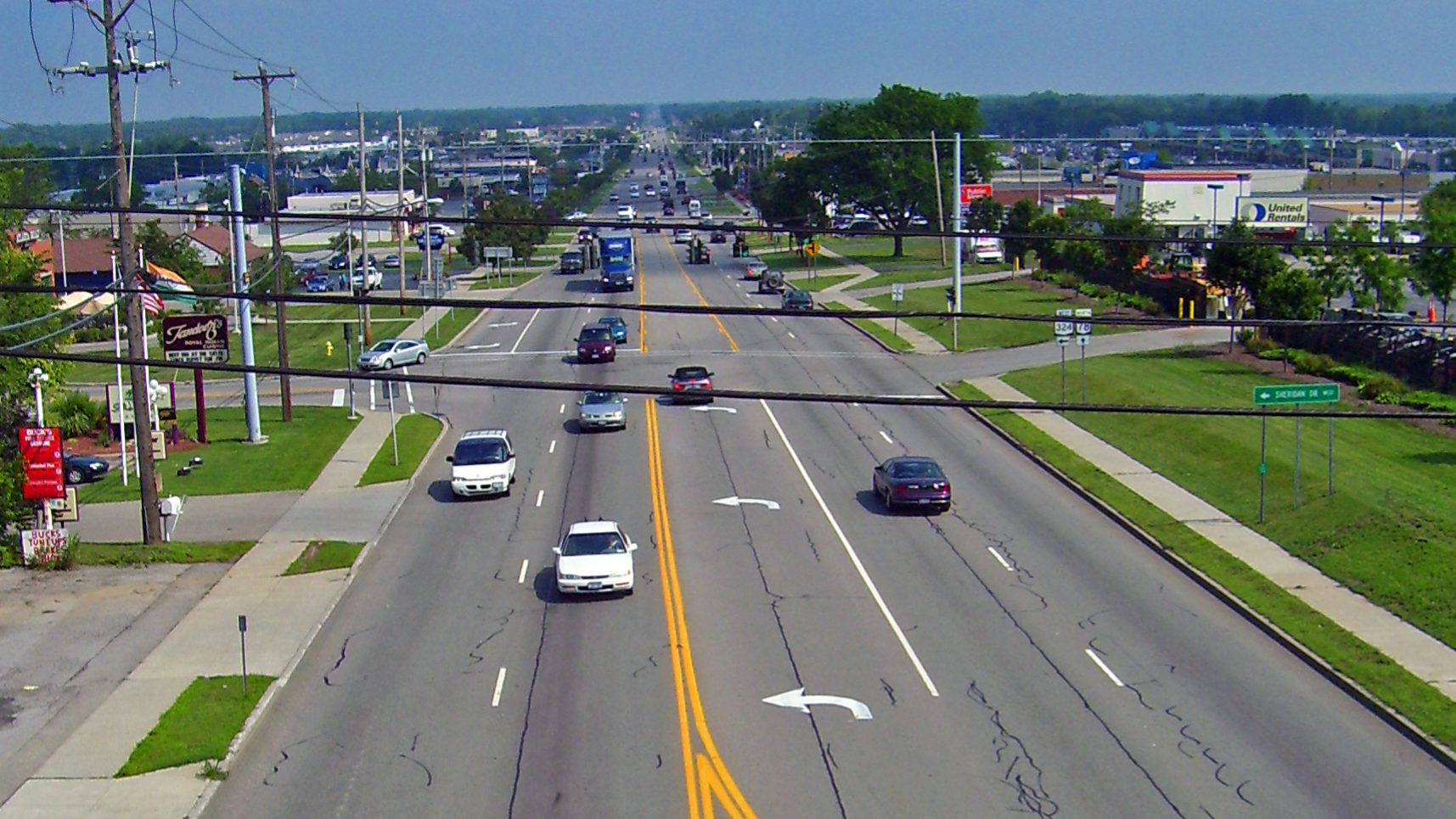
The Future of Toronto’s Stroads: An Intro
One of the Strong Towns movement’s greatest successes may be the popularization of the term stroad. This term has become increasingly widespread as urbanism and the adoption of good placemaking practices have taken on growing relevance across the world. Before digging into the state of Toronto’s stroads, it’s important to understand what they are.
Continue reading